Performing bodyweight dips requires mastering your entire bodyweight just like its distant cousins the chin-up and the pull-up. Dips also require extensive shoulder mobility to…
READ MORE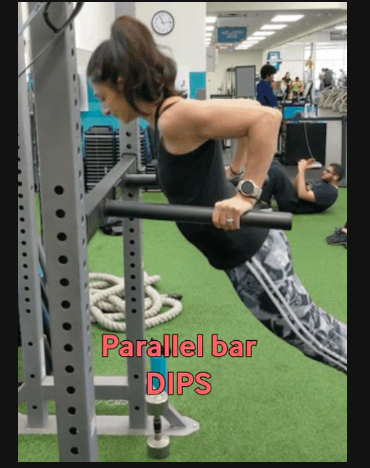


Performing bodyweight dips requires mastering your entire bodyweight just like its distant cousins the chin-up and the pull-up. Dips also require extensive shoulder mobility to…
READ MORE
For every year you’re in the fitness industry, there’s another personal training client type you will have assessed and categorized in the back of your…
READ MORE
Meet Gunnar: brimming with grit, determination, enthusiasm and confidence. And all this he hopes to cultivate in his fitness clients. Gunnar is a professional boxer…
READ MORE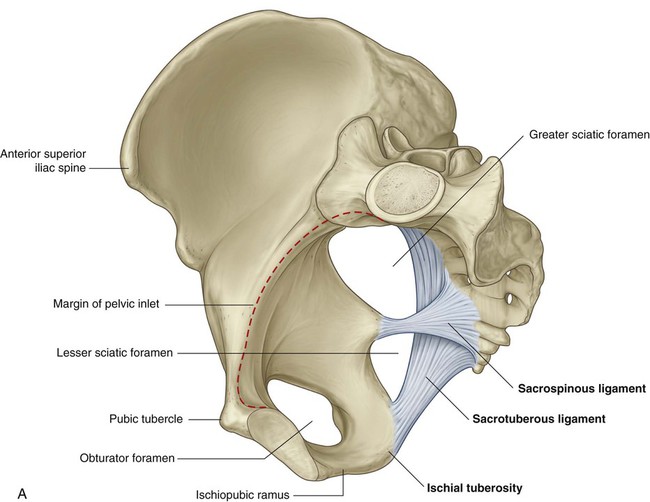
It’s helpful for certified personal trainers to understand the bone structure and joints of the pelvic girdle given how much movement takes place through the…
READ MORE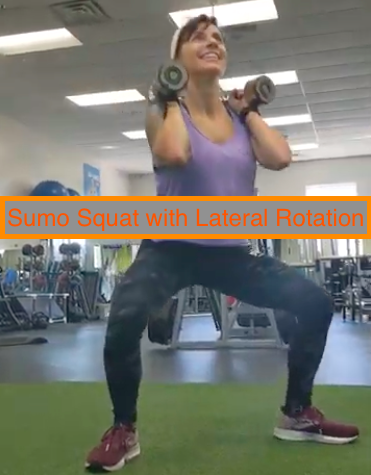
When it comes to lower body development, the squat reigns supreme for hitting all the large muscles at once, and adding squat variations to your…
READ MORE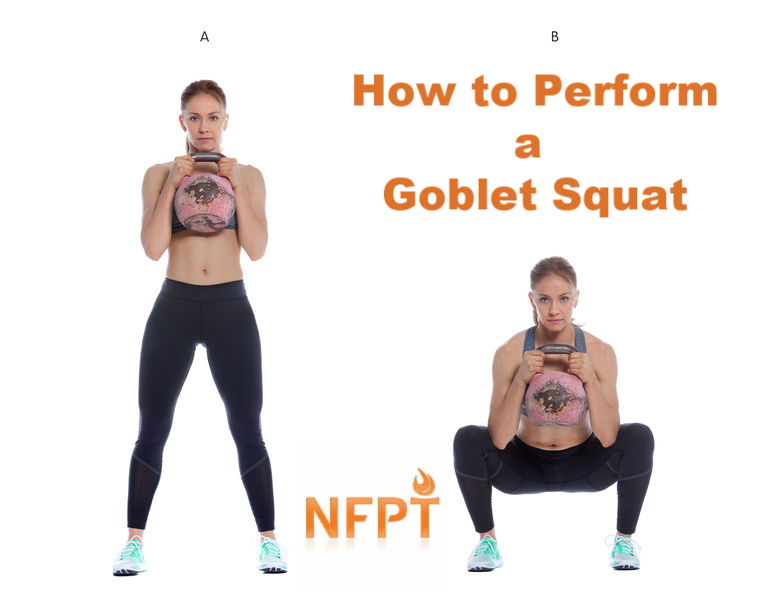
A Goblet Squat is a variation of a conventional squat that can be useful for most personal training clients, but especially those with certain limitations.…
READ MORE
Are weight belts necessary or might they even be harmful? How should personal trainers advise their heavy lifting clients? As a former queen of “ab…
READ MORE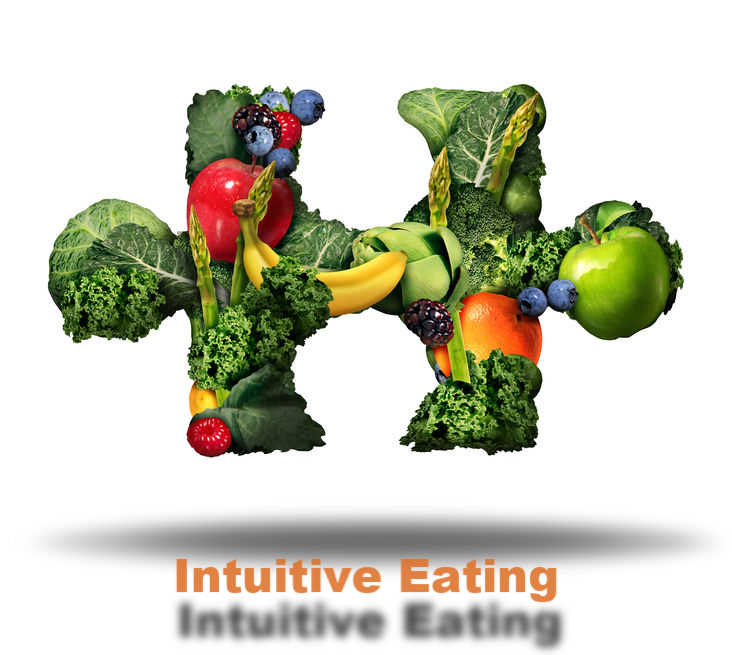
Perhaps the answer to our personal training clients’ difficult weight loss rests in not dieting at all and honing the skill of intuitive eating instead.…
READ MORE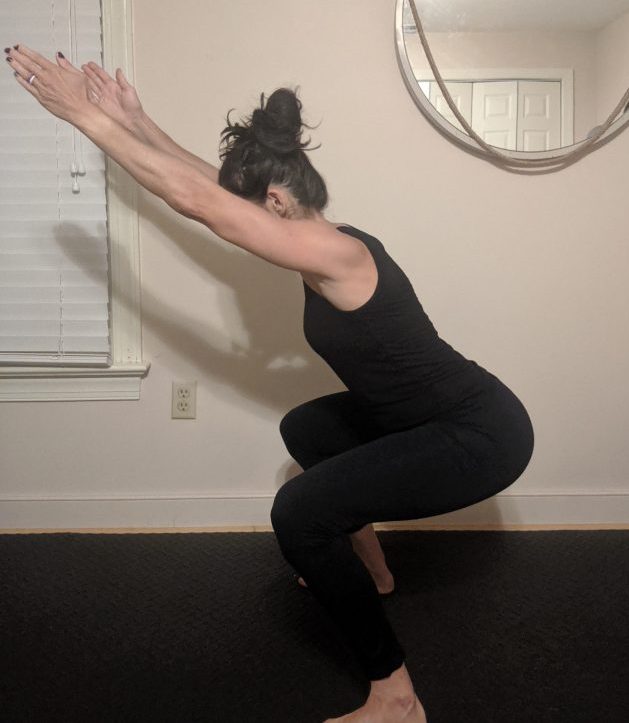
Interpreting the noted signs of an Overhead Squat Assessment (OHSA) can help a persoal trainer identify muscle imbalances, such as which muscles are long and…
READ MORE
Who doesn’t love a good hack, especially when it can reduce the calorie tally of the fat loss client’s day? So often there are hidden…
READ MORE
As personal trainers, we have well-acquainted ourselves with the PRICE protocol; pressure and ice help to reduce the swelling associated with acute injuries. And when…
READ MORE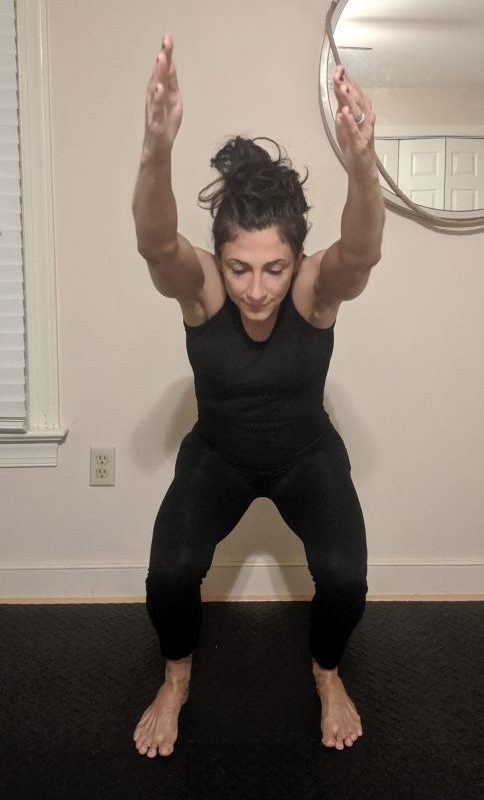
Upper body dysfunction (UBD) may appear upon observation as simple shoulder dysfunction, as has been suggested with models such Upper Crossed Syndrome. But the glenohumeral…
READ MORE